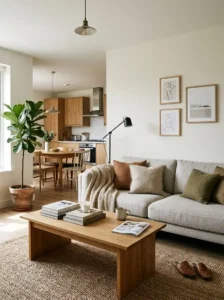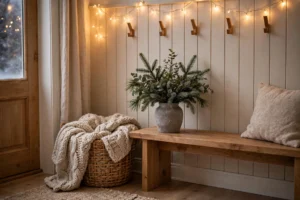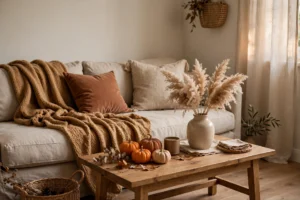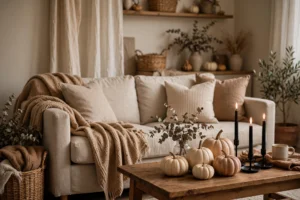
Furniture arrangement can have a major impact on how comfortable and functional your living room feels.
Even beautiful furniture can look awkward if it is placed without considering the room’s layout.
A thoughtful arrangement can improve movement, conversation, comfort, and visual balance.
Understand Your Space
Start by looking at the size and shape of your living room.
Identify windows, doors, walkways, fireplaces, televisions, and other important features.
These elements should influence where your furniture is positioned.
Choose a Focal Point
Every living room benefits from a clear focal point.
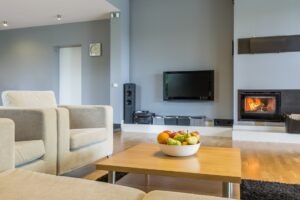
This could be a fireplace, television, large window, artwork, or architectural feature.
Arrange your main furniture so that it works naturally with this focal point.
Create a Conversation Area
The living room should encourage comfortable conversation.
Position sofas and chairs so that people can easily see and speak to each other.
Avoid placing all furniture against the walls if the room allows for a more central arrangement.
Leave Enough Walking Space
Good furniture placement should allow people to move around easily.
Keep main walkways clear and avoid blocking doors or frequently used areas.
A comfortable flow can make even a smaller living room feel more spacious.
Consider the Coffee Table
A coffee table should be practical and easy to reach from the main seating.
Choose a size that fits the seating arrangement without overwhelming the room.
The shape of the table can also complement the overall design.
Use Rugs to Define Areas
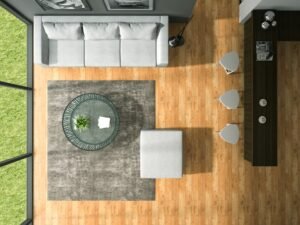
An area rug can help visually define the seating zone.
Ideally, the main furniture should connect with the rug rather than appearing completely separate from it.
A well-sized rug can make the arrangement feel more intentional.
Balance Large and Small Pieces
Avoid placing all large furniture on one side of the room.
Balance sofas, chairs, cabinets, and decorative pieces throughout the space.
This creates a more comfortable and visually pleasing environment.
Keep the Room Functional
Think about how you actually use your living room.
If you enjoy reading, create a comfortable reading corner.
If you entertain guests frequently, prioritize seating and conversation areas.
Don’t Overcrowd the Space
More furniture does not always mean more comfort.
Too many pieces can make a room feel small and difficult to navigate.
Choose only the furniture that serves a practical or visual purpose.
Add Personal Touches
Once the main arrangement is complete, add cushions, plants, artwork, and accessories.
These details can make the space feel warm and personal without affecting movement.
Enjoy a Better Living Room
A successful furniture arrangement combines comfort, functionality, and style.
Take time to experiment with different positions before making a final decision.
With the right layout, your living room can feel more spacious, organized, and welcoming.