17 Living Room Design Ideas for a Cozy, Stylish Home
By [AUTHOR NAME: replace with the real author] | Updated: [DATE: change only when genuinely revised]
Most living rooms don’t feel off because of bad taste. They feel off because the room has too many jobs: TV nights, guests, homework, a laptop on the couch on a Sunday evening. Good living room design makes those jobs fit together without turning the space into a showroom.
The 17 ideas below follow the order you’d tackle a real room: layout first, then color, lighting, rugs, and texture, then finishing details and style. Call it a living room, sitting room, lounge, or front room, the same principles apply. You’ll also find advice for small, large, and open-plan spaces, and what to prioritize on a limited budget.
You don’t need all 17. Pick the three or four that solve your biggest problem and start there.
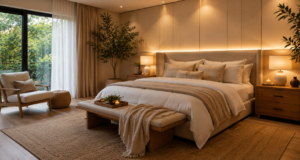
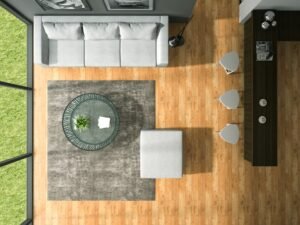
[IMAGE 1: Featured image]
Quick answer: A well-designed living room balances comfort, function, and visual harmony. Start with furniture placement and traffic flow, then build the room in layers: color, warm lighting, a properly sized rug, texture, storage, and decor. The measurements in this guide are common starting points, so adjust them to your room and furniture.
Table of Contents
- Start with a comfortable furniture layout
- Choose a warm, balanced color palette
- Layer your lighting
- Use an area rug to define the seating area
- Create a clear focal point
- Bring natural elements into the room
- Layer textures for a cozy feel
- Use wall art and decor with intention
- Make a small living room feel bigger
- Make a large or open-plan room feel cohesive
- Choose the right sofa and accent chairs
- Style the coffee table and side tables
- Use curtains to improve height, light, and softness
- Add smart storage and shelving
- Choose a living room style that fits your home
- Create a cozy corner or reading nook
- Make the room stylish but functional
- Frequently asked questions
1. Start With a Comfortable Furniture Layout
Layout controls how a room feels before any decor does. It sets traffic flow, and traffic flow sets comfort. When people can walk through without squeezing past a chair and reach a drink from every seat, the room works better and looks more balanced.
Decide the room’s main job first (conversation, TV, or both), pick one focal point, and arrange the seating around it.
- Group the seating. A sofa and one or two accent chairs angled toward each other, with a coffee table between them, makes conversation easy.
- Leave breathing room at the table. A common starting point is 14 to 18 inches between the sofa and coffee table.
- Keep walkways clear. Many designers aim for about 30 to 36 inches where people walk through. [ADD SOURCE FOR THIS MEASUREMENT]
- Pull furniture off the walls, even a few inches. A floating sofa looks intentional.
- Don’t fill every gap. If the room feels crowded, remove a piece instead of shrinking the walkways.
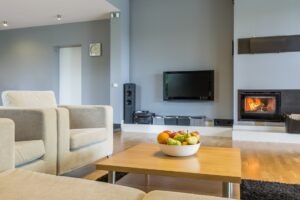
[IMAGE 2: Furniture spacing diagram]
Layout Ideas for Common Situations
- Conversation-focused: Face the sofa and chairs toward each other in a U or L shape, close enough to talk without raising your voice. Best for hosting.
- TV-focused: Place the screen near eye level when seated, angle chairs slightly toward the sofa, and check for window glare before choosing the wall.
- Fireplace-focused: Center the seating on the fireplace. If you want a TV too, put it on another wall so the two don’t compete.
- Awkward rooms: In a long, narrow room, split the space into two seating zones. If doorways cut through the room, keep the seating group out of the walking path and let a rug define it. If a fireplace or window is off-center, anchor the layout to the strongest feature and balance the other side with a lamp or art.
- Small, large, and open-plan rooms need different moves, covered in ideas 9 and 10.
For a deeper walkthrough, see our guide on how to arrange living room furniture [LINK].
Try this first: If the room feels off, move one piece at a time. Turning a chair 20 degrees can change how the whole room works.
[ADD ORIGINAL ROOM LAYOUT DIAGRAM] [ADD FIRST-HAND OBSERVATION: a layout change that worked in a real room]
2. Choose a Warm, Balanced Color Palette
Color sets the mood and changes how big the room feels. Lighter shades tend to make a room feel more open, while deeper tones feel snug. For warmth, try creamy white, beige, greige, terracotta, olive, or muted brown. Cool grays can look flat unless wood, brass, or textured fabric balances them.
A popular guideline is 60-30-10: about 60 percent main neutral (walls, rug, sofa), 30 percent secondary color (curtains, accent chairs), and 10 percent accent (cushions, art). It’s a rule of thumb, not a formula. Repeat each accent color at least once elsewhere in the room so the palette looks planned.
When to bend it:
In a small room, one color family across walls and large furniture often looks calmer than three color blocks.
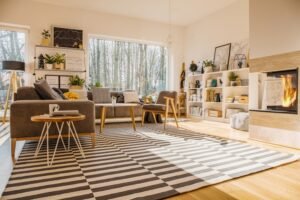
[IMAGE 3: 60-30-10 color example]
Test a large paint sample in morning and evening light before you commit. More palettes in our living room color ideas [LINK].
3. Layer Your Lighting
One ceiling fixture flattens a room and casts hard shadows. Layering light at different heights adds warmth and makes the room usable at any hour.
- Natural light: Keep windows uncluttered. It does the work in the morning.
- Ambient: Ceiling lighting, recessed lights, or a large floor lamp. Add a dimmer if you can.
- Task: A reading lamp beside a chair or a table lamp on a side table.
- Accent: A picture light or a lamp on a bookcase to highlight art or shelves.
Choose warm white bulbs, often labeled around 2700K, and keep the color consistent across lamps. In the evening, turn off the overhead light and rely on lamps at eye level or lower. The room will feel warmer at once.
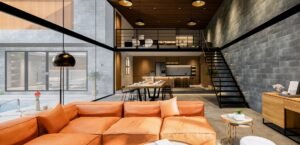
[IMAGE 4: Layered lighting]
On a tight budget, start here. Two lamps with warm bulbs cost far less than new furniture and change the mood immediately. More in our living room lighting ideas [LINK].
4. Use an Area Rug to Define the Seating Area
Where the rug sits changes how the furniture relates to each other.
- All legs on the rug: The sofa, chairs, and table read as one group. Best in larger rooms.
- Front legs only: Still connects the pieces and saves space. Good for smaller rooms.
- No legs on the rug: The rug becomes an island, and the seating feels disconnected.
An 8×10 or 9×12 is a common starting point for a living room. A 5×8 can work in a compact space if the sofa’s front legs rest on it. Tape the outline on the floor before you buy, and leave a border of bare floor around the edges.
Low-pile wool is durable, while flat weaves and performance fabrics are easier to clean with kids or pets. If your sofa is patterned, choose a quieter rug. If the room is mostly neutral, the rug is a good place for pattern.
[IMAGE 5: Rug placement guide]
5. Create a Clear Focal Point
The eye needs somewhere to land. A fireplace is the classic choice, but a media wall, large artwork, paneling or exposed beams, or a statement piece of furniture can do the same job. Think in hierarchy: one main focal point and one or two quieter supporting elements.
- TV as the focus: Set it within shelving or on a console with art and plants nearby. A deeper wall color makes a black screen look less stark.
- Fireplace as the focus: Center a mirror or artwork above the mantel.
- Neither: Hang large art above the sofa.
The mistake to avoid is competing focal points, like bold wallpaper, oversized art, and a bright sofa all at once.
Squint test: Squint at the room. If one area stands out, you’re set. If your eye bounces around, tone something down.
6. Bring Natural Elements Into the Room
Wood, stone, rattan, jute, and linen add warmth that synthetic materials struggle to match. A wood coffee table, a jute rug, and a seagrass basket already make a room feel grounded, and they pair well with almost any style.
Plants add life and softness. Pothos, snake plants, ZZ plants, and rubber plants are commonly recommended for typical indoor light. Check the light in a spot before buying, since the right plant in the wrong place won’t last. Good faux plants work in dark corners if you dust them.
If you mix woods, keep the undertones related. Light oak beside walnut can look good, but a red-toned wood next to a gray-toned one often clashes.
7. Layer Textures for a Cozy Feel
If you’re wondering how to make a room look cozy, texture is usually the answer. An all-beige room feels either soothing or dull, and the difference is texture. Layered materials add visual depth, and depth reads as warmth.
Mix three or four: a chunky knit throw, linen or velvet cushions, a wool rug, a wood table, a woven basket. A bouclé sofa reads cozy at once, and leather adds contrast.
- Vary cushion sizes and fabrics instead of a row of identical squares.
- Pair smooth with rough, like a glossy vase beside a nubby throw.
- Stay in one color family so texture does the work, not pattern.
Stop before every surface is covered. Each layer should have a purpose. More in our cozy living room ideas [LINK].
[IMAGE 6: Layered textures]
[ADD ORIGINAL PHOTO OF ACTUAL LIVING ROOM]
8. Use Wall Art and Decor With Intention
Bare walls feel unfinished, and crowded walls feel stressful. Think scale and balance.
- Height: A common guideline centers art around 57 to 60 inches from the floor. [ADD SOURCE FOR THIS MEASUREMENT] Where people mostly sit, slightly lower often feels better.
- Above a sofa: Many designers leave roughly 6 to 10 inches above the sofa and choose art about two-thirds to three-quarters of its width.
- Gallery walls: Trace the frames on paper and tape them up first. Consistent spacing (often 2 to 3 inches) and a shared color or mat keep the wall cohesive.
- Mirrors: Place one opposite or beside a window so it reflects daylight and makes the room feel larger.
- Shelves: Group objects in threes, vary heights, and leave space.
Ask whether each piece earns its spot. Family photos and travel finds make a room feel like yours instead of a showroom. More in our living room decor ideas [LINK].
9. Make a Small Living Room Feel Bigger
The goal is to cut visual clutter and help the eye travel.
- Scale furniture down. A slim-armed sofa or loveseat on visible legs shows more floor. A compact sectional can still suit a narrow room.
- Use lighter colors, and paint walls, trim, and ceiling in close tones to blur the edges.
- Add a mirror where it reflects daylight.
- Draw the eye up with tall bookcases and curtains hung near the ceiling.
- Choose pieces that work twice, like a storage ottoman or nesting tables.
- Keep one clear path from the door to the seating.
Common mistake: Buying many small pieces. A few right-sized ones look calmer.
When to break the rule: A deep, moody wall color can look intentional in a small room if the lighting is good.
[IMAGE 7: Small living room layout diagram]
More in our small living room ideas [LINK].
10. Make a Large or Open-Plan Room Feel Cohesive
Big rooms can feel empty or echoey. In open-plan homes, the living area has to feel like its own place without walls. Without zoning, the furniture tends to drift apart.
- Anchor each zone with a rug: main seating, reading corner, games area.
- Float sofas off the walls. The back of a sofa or a console table works as a soft divider from the dining area.
- Repeat materials, colors, and lighting across zones so the space still reads as one room.
- Use a few oversized pieces, like a big mirror or tall bookcase, instead of many small accessories that get lost.
Pushing everything against the walls only makes the middle feel vacant.
[IMAGE 8: Open-plan zoning diagram]
11. Choose the Right Sofa and Accent Chairs
Sit on a sofa for a few minutes before buying. Seat depth, back support, and firmness matter more than looks. Very deep seats suit lounging but can leave shorter people’s feet dangling.
Mark the footprint with painter’s tape first. A sectional suits larger or open-plan rooms because it defines a zone, but it can overwhelm a small room. Think about seating capacity too: a three-seat sofa plus two chairs handles most gatherings, and a pouf or ottoman covers the extras.
For accent chairs, use a pair for a balanced look or one chair angled toward the sofa for something more relaxed. Choose a different shape or fabric than the sofa so the chair feels like its own piece. A swivel chair helps if people need to face both the TV and each other.
12. Style the Coffee Table and Side Tables
Aim for a coffee table close to sofa-seat height, or slightly lower, and about two-thirds of the sofa’s length. Round tables move easily in tight spaces, and rectangular ones suit a long sofa. With small kids, choose rounded corners or an upholstered ottoman.
Style it simply: a tray for remotes, a few books, a small plant. Groups of three look natural. Leave part of the surface empty, because you need somewhere to put a mug.
Every seat should have a surface within reach. Nesting tables suit small rooms since you can pull them out only when needed.
13. Use Curtains to Improve Height, Light, and Softness
Curtains add texture and frame the window. Placement matters most:
- Hang the rod high, a few inches above the frame or near the ceiling, to make the room feel taller.
- Extend it wide, often 6 to 12 inches past each side, so the panels clear the glass and let in full daylight.
- Let them skim the floor.
- Aim for fullness: Panels about twice the window width hang in soft folds instead of looking flat.
For privacy without losing light, layer sheers under heavier drapes. Linen looks relaxed, and velvet feels richer and helps block drafts. Renters can use tension rods for lightweight panels.
14. Add Smart Storage and Shelving
Shelving does two jobs: it hides clutter and displays what you love. Keep games, cables, and blankets behind doors or in baskets. Use open shelves at eye level for books, plants, and personal objects. A media console with doors is a practical base for the TV.
The balance between display and storage matters. A shelf that is about two-thirds full looks curated, while a packed one looks cluttered.
Budget move: Basic bookcases flanking a window or fireplace can be painted and trimmed to look built-in.
15. Choose a Living Room Style That Fits Your Home
Knowing the main types of living room design makes choices easier. Pick one lead style and borrow a few pieces from another. Most homes end up mixing two.
Modern Living Room Design
Streamlined, with little ornament, rooted in early-to-mid 20th-century design. Choose low-profile furniture with tapered legs, a neutral palette with one or two bold accents, and wood, leather, and metal. Add sculptural lamps and only a few pieces of decor. More in our modern living room design ideas [LINK].
Contemporary Living Room Design
“Contemporary” means what’s current, so it evolves. Expect clean, open rooms with simple shapes and soft curves, a neutral base with current accents, and a mix of two or three materials such as wood, metal, and glass. Statement lighting and one patterned piece are enough.
Minimalist Living Room Design
Fewer things, more space. Keep only the furniture you use, stay with quiet, low-contrast colors, and let texture do the work. Choose simple lighting and one meaningful decor object instead of many.
Traditional Living Room Design
Classic, symmetrical, and detailed. Look for rolled arms, wingback chairs, and matching pairs, in richer tones like navy, burgundy, or deep green, with dark wood, silk, and patterned upholstery. Paired table lamps, framed art, and layered drapery finish the look.
Cozy or Casual Living Room Design
Relaxed and lived-in, and easy to blend with any style. Choose deep, soft seating in warm neutrals and earthy tones, with knits, linen, bouclé, and wood. Low lamplight, throws, and cushions do the rest.
Not sure what you like? Save 10 to 15 room photos you love and look for patterns in color, materials, and shapes.
16. Create a Cozy Corner or Reading Nook
An unused corner can become the best seat in the house. You need:
- A comfortable accent chair with good back support
- A floor lamp or sconce with warm reading light
- A small side table for a mug and book
- A throw or cushion, and maybe a plant or footstool
In a large room, a nook gives quiet activity a place away from the TV. In a small room, a chair angled into a corner makes the layout feel intentional. A window seat with cushions is another good option, and the storage underneath helps.
17. Make the Room Stylish but Functional
A room that looks perfect but isn’t livable won’t stay that way. Design for how you actually live.
- Durable materials: Performance fabrics, removable cushion covers, washable rugs, and tightly woven upholstery hold up to kids and pets.
- Comfortable seating first: Style a sofa you enjoy sitting in, not one you only admire.
- Practical layout: Plan where cords, chargers, and remotes go before finalizing furniture.
- Reset routine: Give everyday items a home, then do a five-minute tidy each evening.
Real-life test: Ask where you’d put your coffee, phone, and bag. If the answer is “nowhere,” add a surface or basket.
[ADD ORIGINAL BEFORE/AFTER EXAMPLE]
Bringing It All Together
Good living room design isn’t about copying a photo. It’s a few thoughtful choices working together: a layout that fits how you live, warm lighting, a palette you like, and textures that feel personal.
If you have one weekend, try this order:
- Swap cool bulbs for warm ones and add a lamp in a dark corner.
- Pull the sofa off the wall.
- Add a throw and cushions in different textures.
- Clear one surface and style it with a tray and a plant.
If your budget is limited, prioritize lighting, layout, a properly sized rug, textiles, then decor. Furniture can wait. For more, browse our simple living room design ideas on a budget [LINK] and home interior design [LINK] articles.
Frequently Asked Questions
How do I design my living room?
Start with the layout: choose one focal point, arrange seating around it, and keep walkways clear. Then pick a color palette, add layered lighting and a rug that fits the seating, and finish with textiles and decor. Working in this order keeps you from buying pieces that don’t fit the space or clash with what you already own.
How can I make my living room cozy?
Use warm bulbs at several heights instead of one bright ceiling light. Layer a knit throw, cushions, and a wool rug, and add natural materials like wood, baskets, and a plant or two. Keep surfaces fairly clear, because a cozy room feels relaxed and lived-in, not crowded or over-styled.
What are some simple living room design ideas?
Pull the sofa a few inches off the wall, add a rug large enough for the front legs of your seating, and switch to warm bulbs. Keep to a small color palette, add two or three textures, and edit decor so each piece has room to breathe. These changes cost little and make a visible difference.
How can I make a small living room look bigger?
Choose a slim-armed sofa with visible legs, use lighter wall colors, and place a mirror where it catches daylight. Hang curtains close to the ceiling, keep one clear path through the room, and pick a few right-sized pieces instead of many small ones. Multifunctional furniture, like a storage ottoman, also cuts clutter.
About the author: [AUTHOR BIO: replace with the real author’s information. Include only verifiable details.]